40 Toddler Activities to Do at Home (Ages 2, 3 & 4)
Forty ways to get through the day — sorted by exact age and by whether you need to burn energy or buy yourself ten quiet minutes.
Toddlers don't need a Pinterest set-up or a cart full of supplies — they need a few fresh ideas and a parent who isn't out of them by 9am. Almost everything below uses things you already own, takes under five minutes to set up, and is built around how toddlers actually learn: through play, repetition, and their own two hands.
We've sorted the ideas by age (2, 3, and 4) and flagged which ones burn energy versus which ones buy you a few calm minutes. Learning is baked in — but to a toddler it just feels like fun.
Free printable
Free Toddler Activity Pack (printable PDF)
- A 'one idea a day' busy-bag calendar for the month
- 5 dot-marker pages for ages 2–4
- Name + number tracing pages for age 4
- A printable color-hunt and scavenger-hunt checklist
When you just need 30 quiet minutes
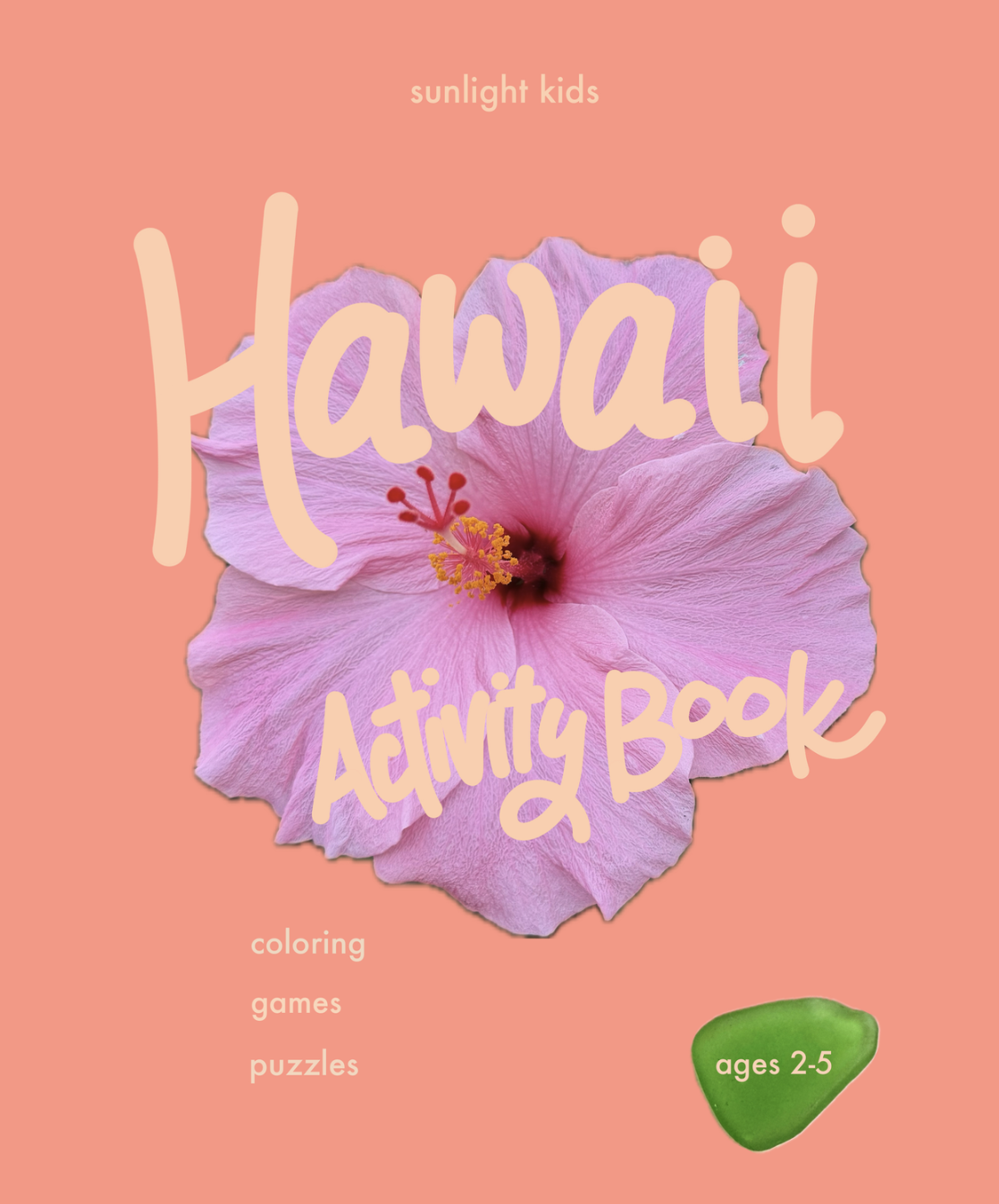
The Sunlight Kids Hawaii Activity Book (ages 2–5) is the independent-play standby — dot pages, coloring, and mazes in one screen-free book.
“Perfect to help the flight go smoother”— Julia R. · Verified Amazon Purchase
In a rush? Download the PDF now and print it at home.
Activities for 2-year-olds
Big movements, simple cause-and-effect, and lots of repetition. Two-year-olds learn by doing the same delightful thing forty times.
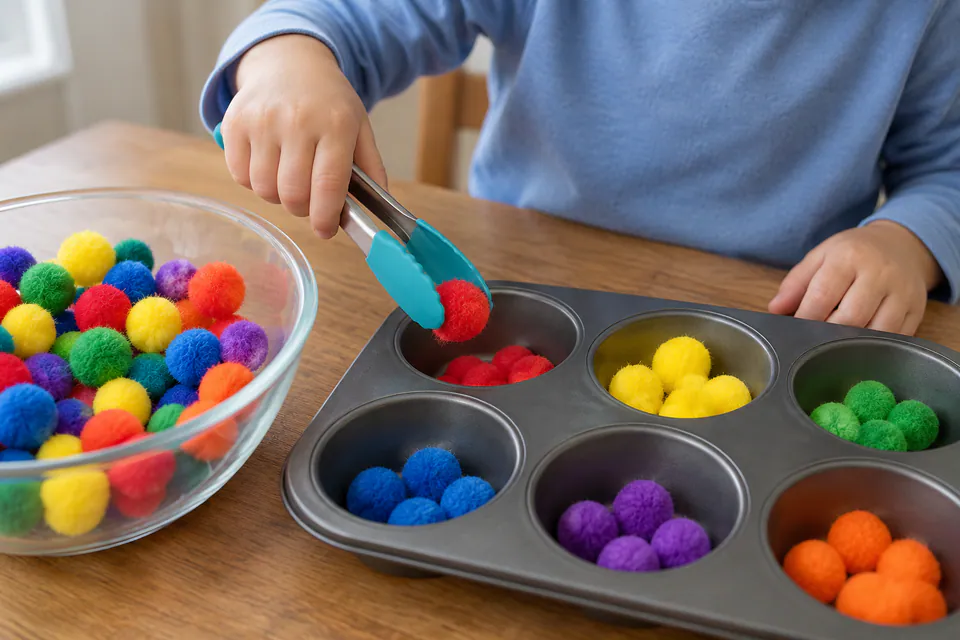
Muffin-tin sorting
Age 2Sort by color into the cups. Doubles as snack if you use cereal.
- Needs:
- Muffin tin + pom-poms or cereal
- Keeps them busy:
- 10–15 min
- Builds:
- Sorting, fine motor
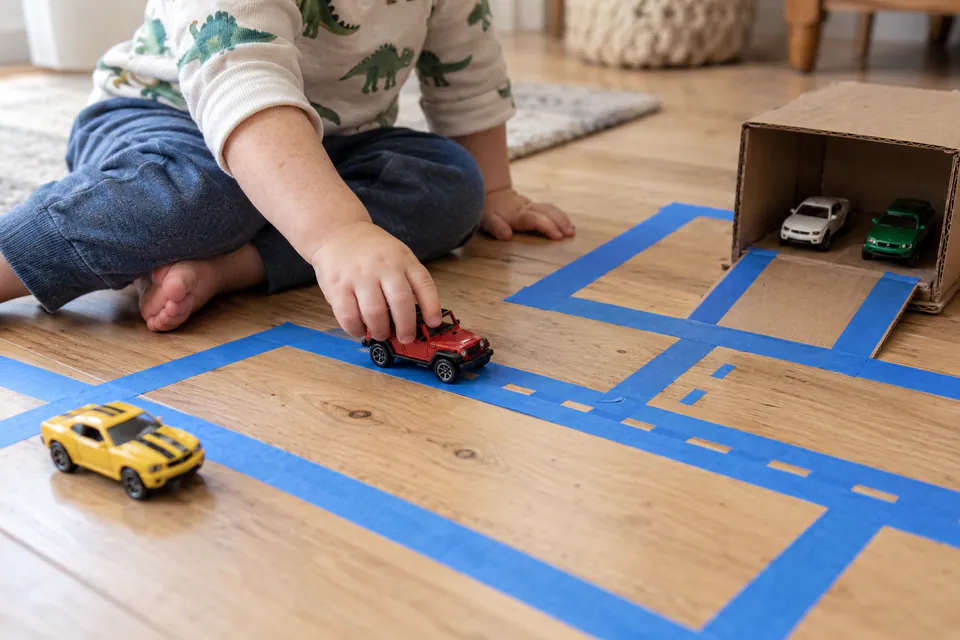
Painters'-tape road on the floor
Age 2- Needs:
- Painter's tape + toy cars
- Keeps them busy:
- 20–30 min
- Builds:
- Imaginative play, gross motor
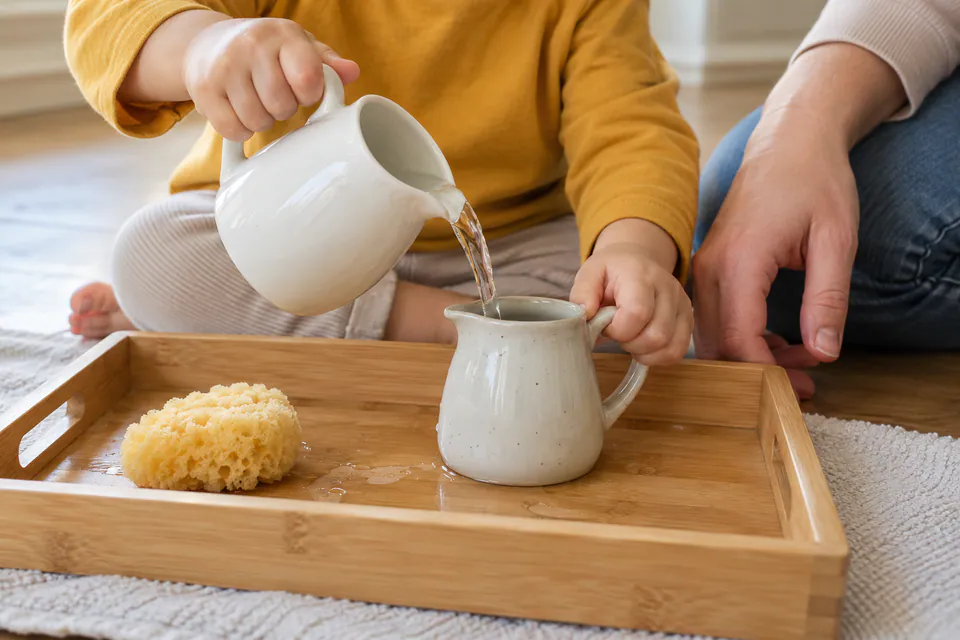
Pouring station
Age 2Pouring back and forth is endlessly satisfying. Do it on a towel or in the bath.
- Needs:
- Two cups + dry rice or water
- Keeps them busy:
- 15 min
- Builds:
- Hand-eye coordination
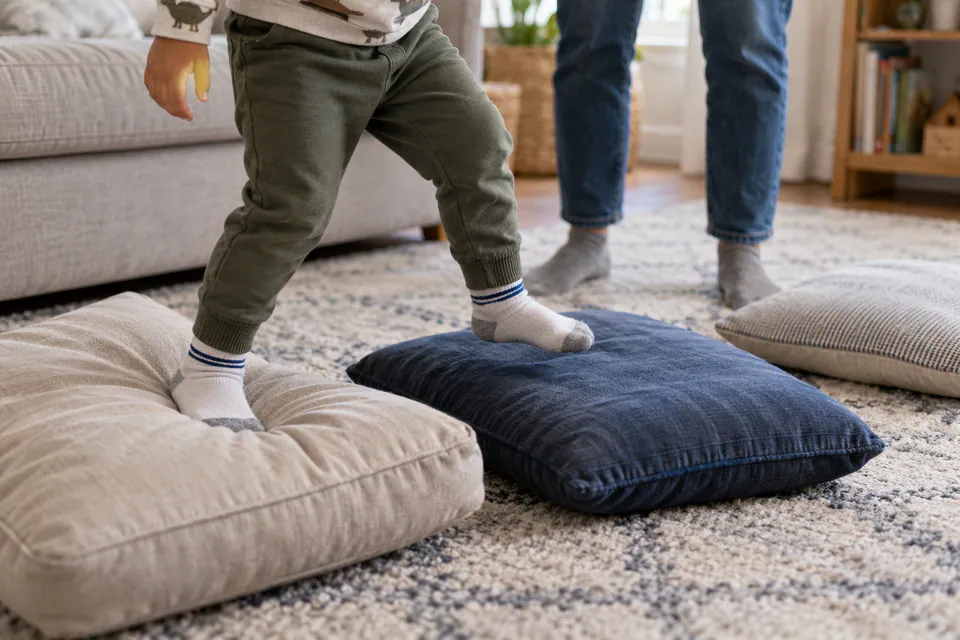
Couch-cushion obstacle course
Age 2- Needs:
- Cushions + pillows
- Keeps them busy:
- 20–40 min
- Builds:
- Gross motor, balance
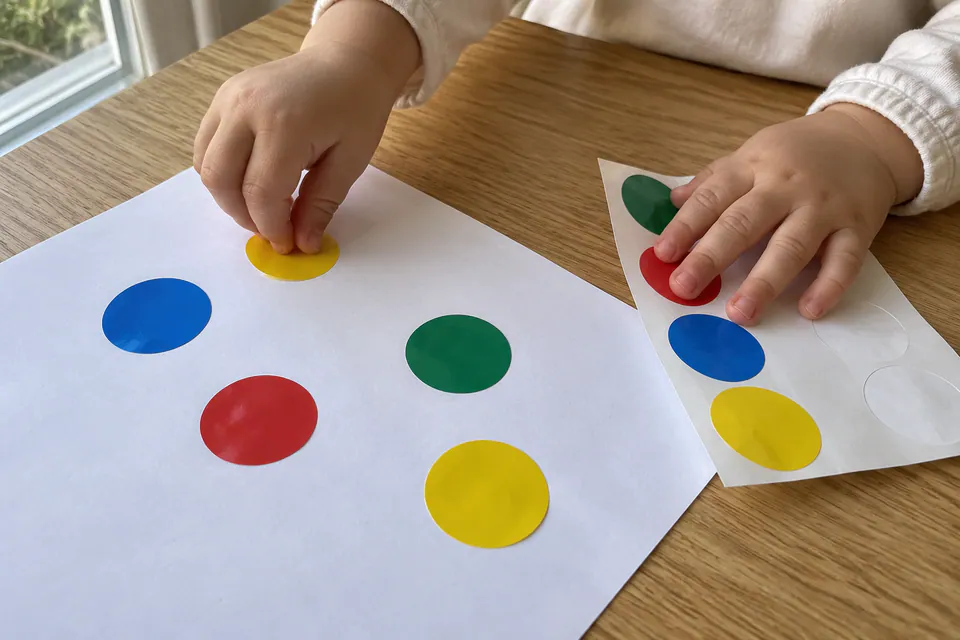
Sticker dot scenes
Age 2- Needs:
- Stickers + paper
- Keeps them busy:
- 10–15 min
- Builds:
- Pincer grasp
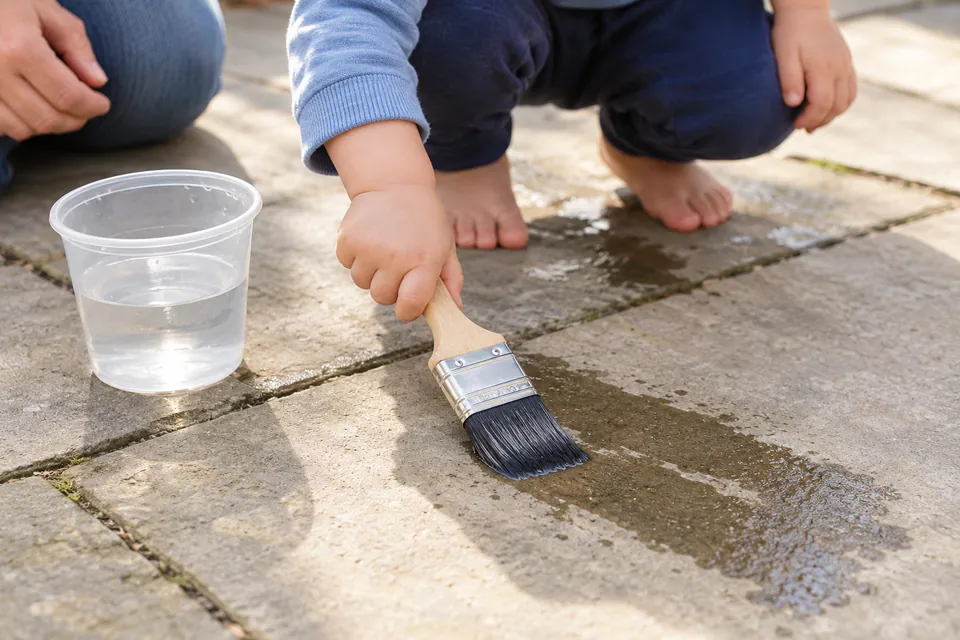
Water 'painting' the patio
Age 2- Needs:
- Paintbrush + cup of water
- Keeps them busy:
- 20 min
- Builds:
- Gross motor, mark-making
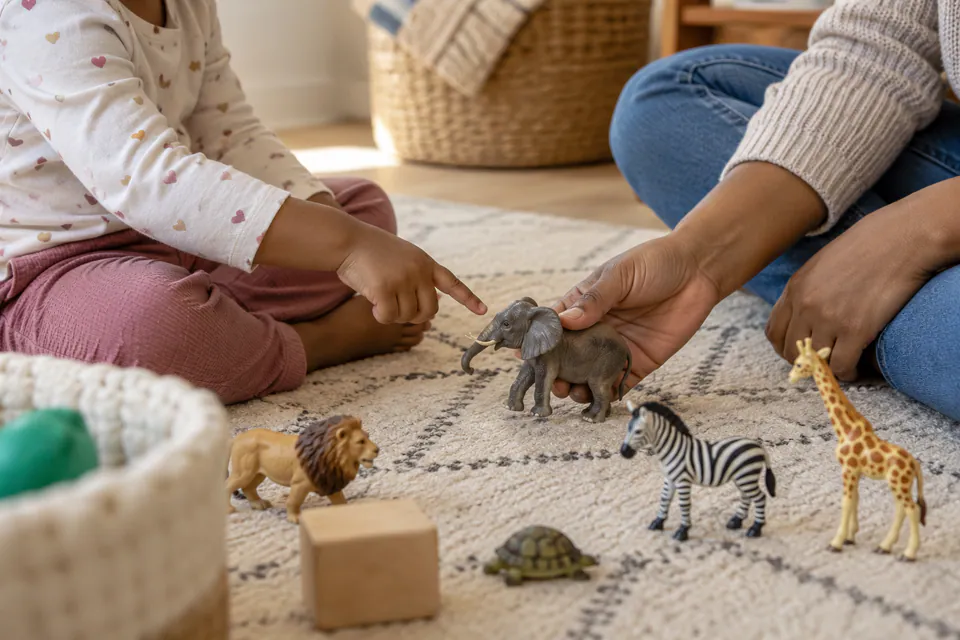
Animal-sound matching
Age 2- Needs:
- Just your voices
- Keeps them busy:
- 5–10 min
- Builds:
- Language, vocabulary
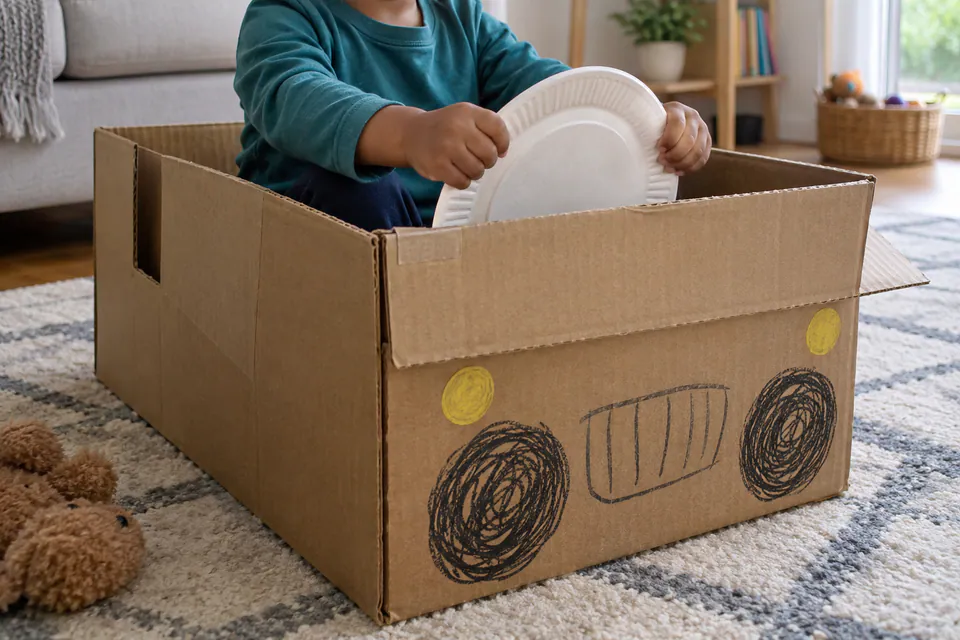
Box + crayons
Age 2- Needs:
- A cardboard box + crayons
- Keeps them busy:
- 20–30 min
- Builds:
- Imaginative play, mark-making
Activities for 3-year-olds
Now there's pretend play, early counting, and the patience for a short 'project.'
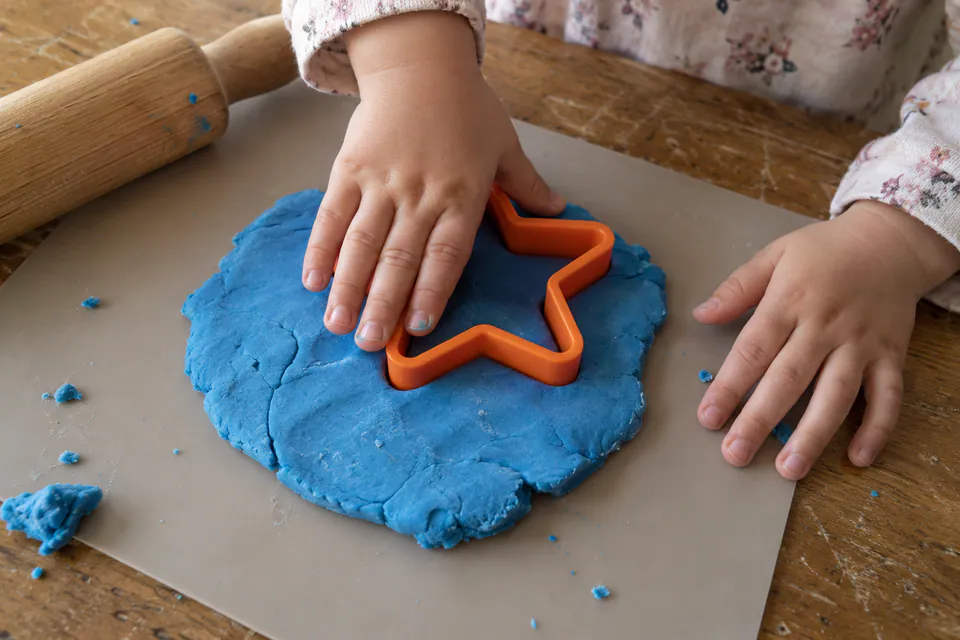
Play-dough invitations
Age 3- Needs:
- Play-dough + buttons, pasta, sticks
- Keeps them busy:
- 30–40 min
- Builds:
- Fine motor, creativity
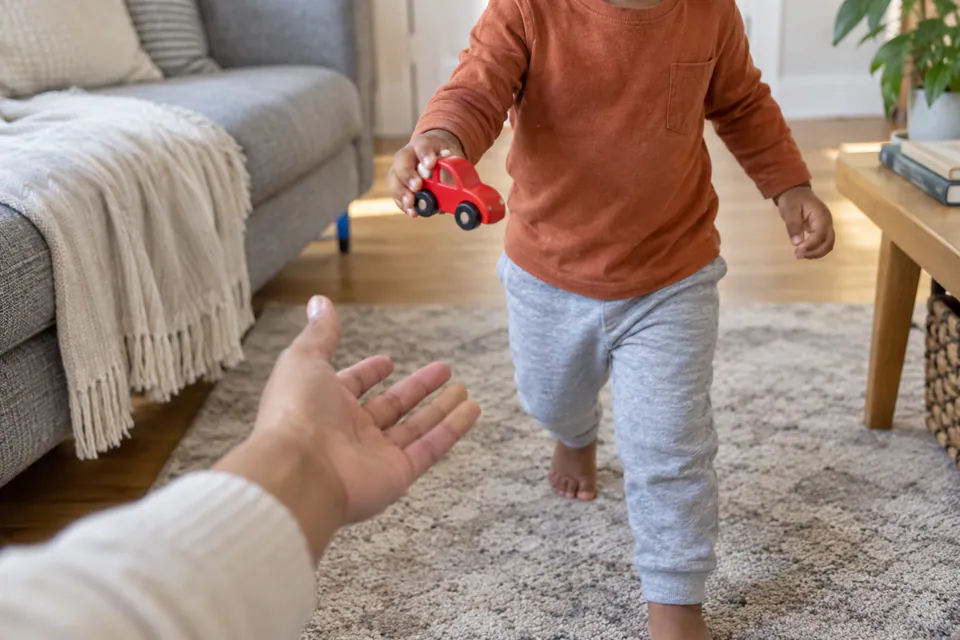
Color hunt around the house
Age 3'Find me something red!' Repeat for every color.
- Needs:
- Nothing
- Keeps them busy:
- 10–15 min
- Builds:
- Color recognition, movement
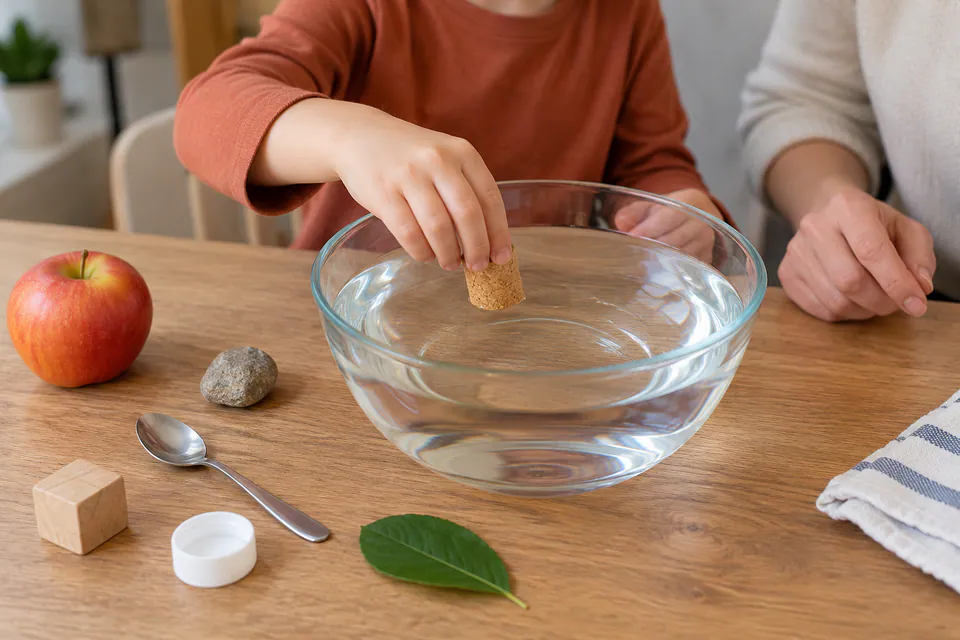
Sink-or-float bowl
Age 3- Needs:
- A bowl of water + household objects
- Keeps them busy:
- 15–25 min
- Builds:
- Early science, prediction
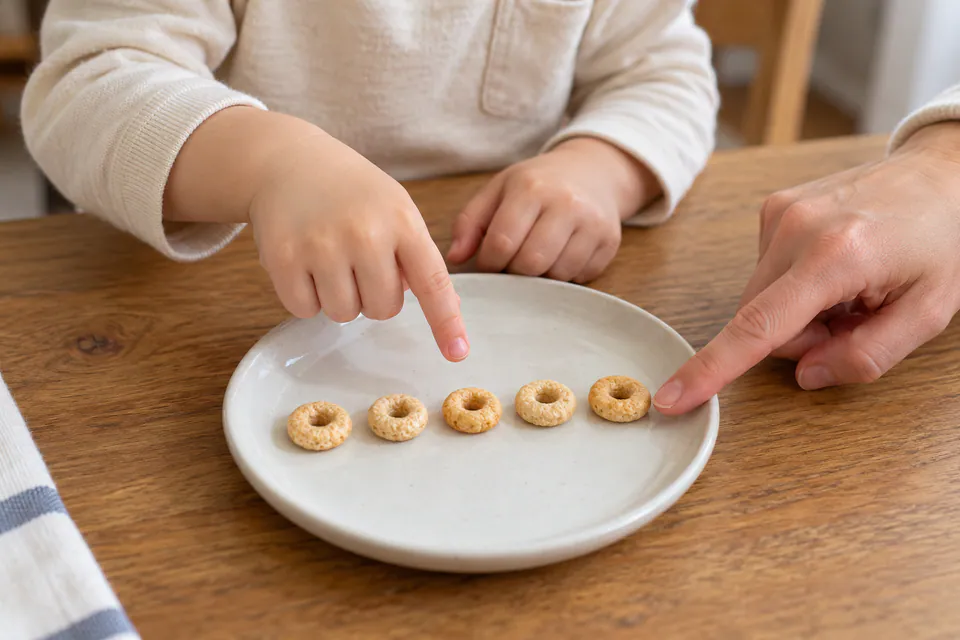
Counting bears / snack math
Age 3- Needs:
- Small snacks to count
- Keeps them busy:
- 10 min
- Builds:
- Early numeracy
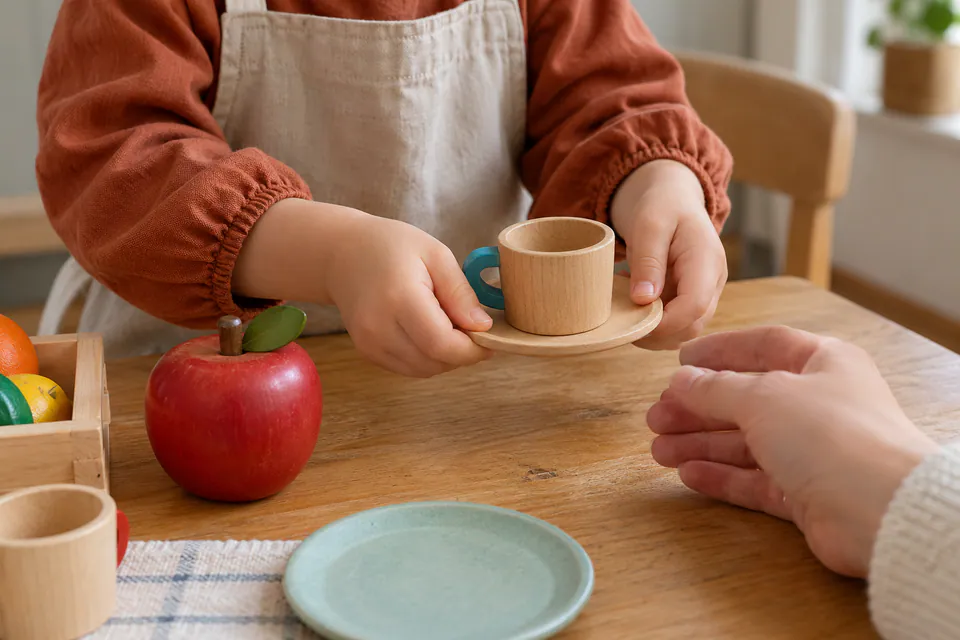
Dress-up & pretend café
Age 3- Needs:
- Old clothes + play food
- Keeps them busy:
- 30–60 min
- Builds:
- Social-emotional, language
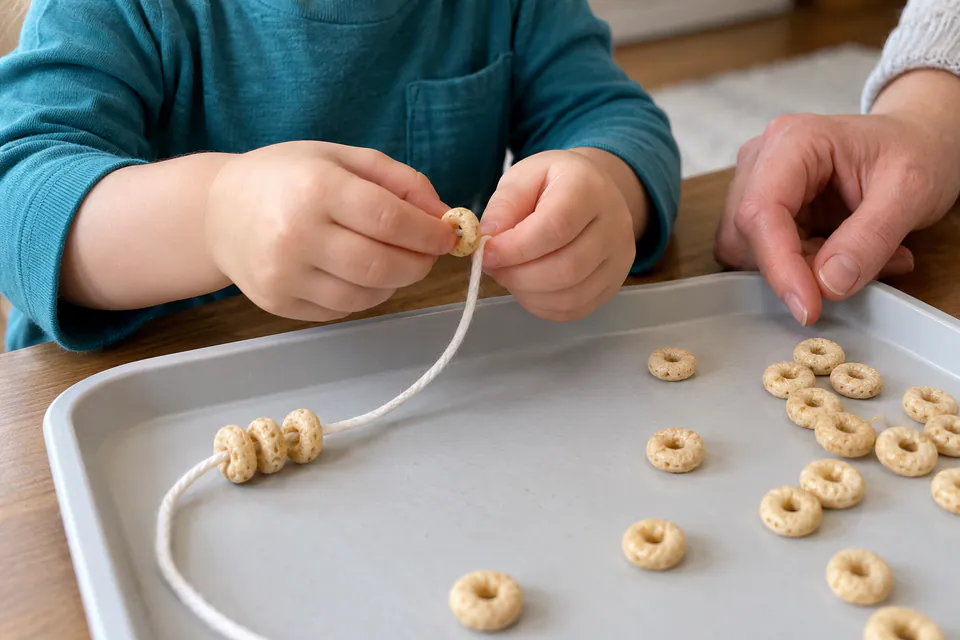
Threading cereal necklaces
Age 3- Needs:
- O-shaped cereal + string
- Keeps them busy:
- 20 min
- Builds:
- Pincer grasp, patterns
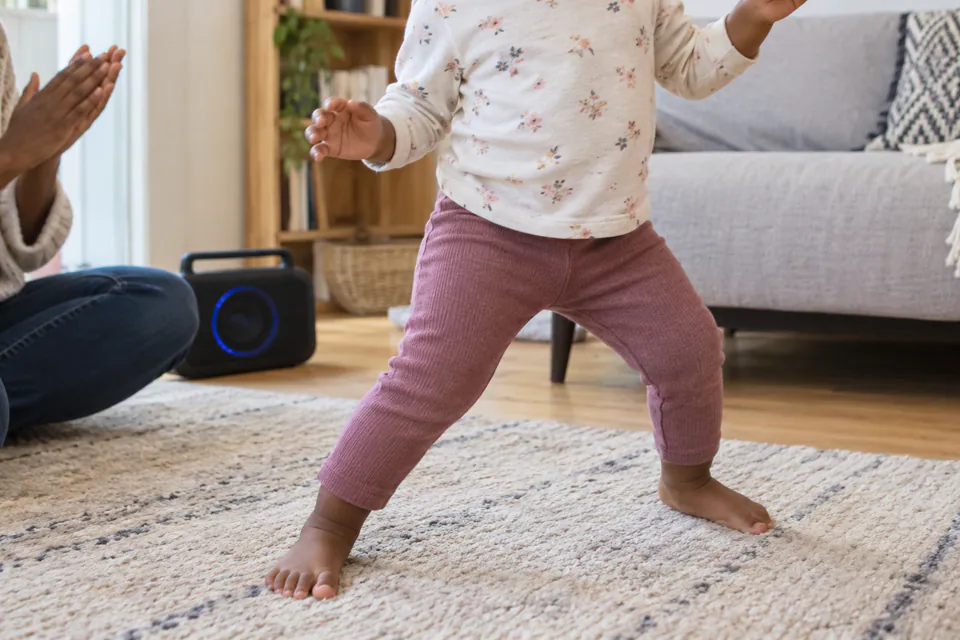
Dance-freeze game
Age 3- Needs:
- Music
- Keeps them busy:
- 15 min
- Builds:
- Gross motor, self-regulation
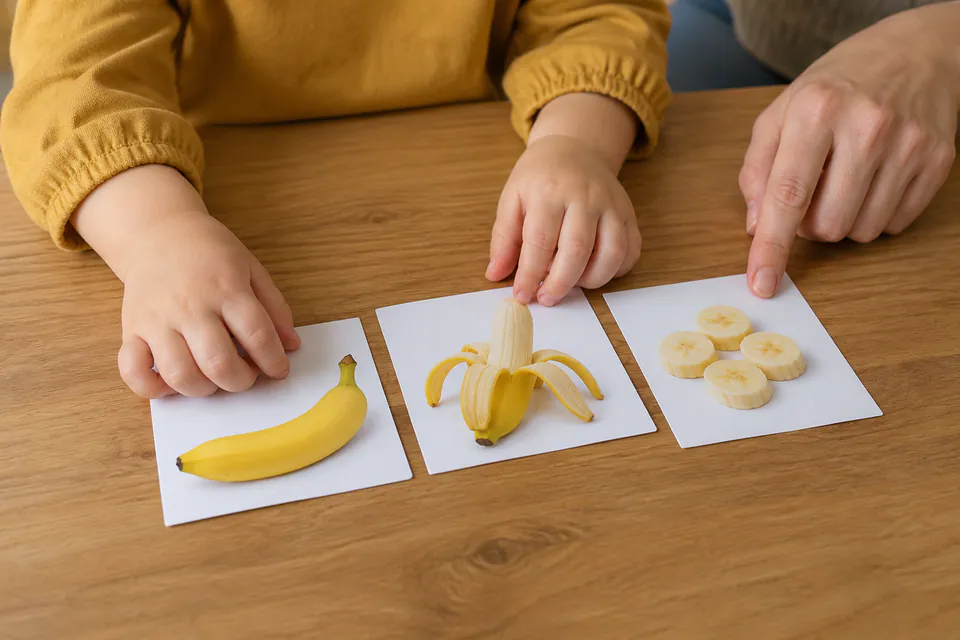
Story sequencing with photos
Age 3- Needs:
- A few printed photos
- Keeps them busy:
- 10 min
- Builds:
- Early literacy, sequencing
Hawaii Activity Book for Kids
Coloring, tracing, counting, ABCs & first Hawaiian words — made for toddlers & preschoolers.
“Perfect to help the flight go smoother”Verified Amazon Purchase
In a rush? Download the PDF now and print it at home.
Activities for 4-year-olds
Four-year-olds can follow two-step directions, love 'real' jobs, and are ready for early letters and numbers.
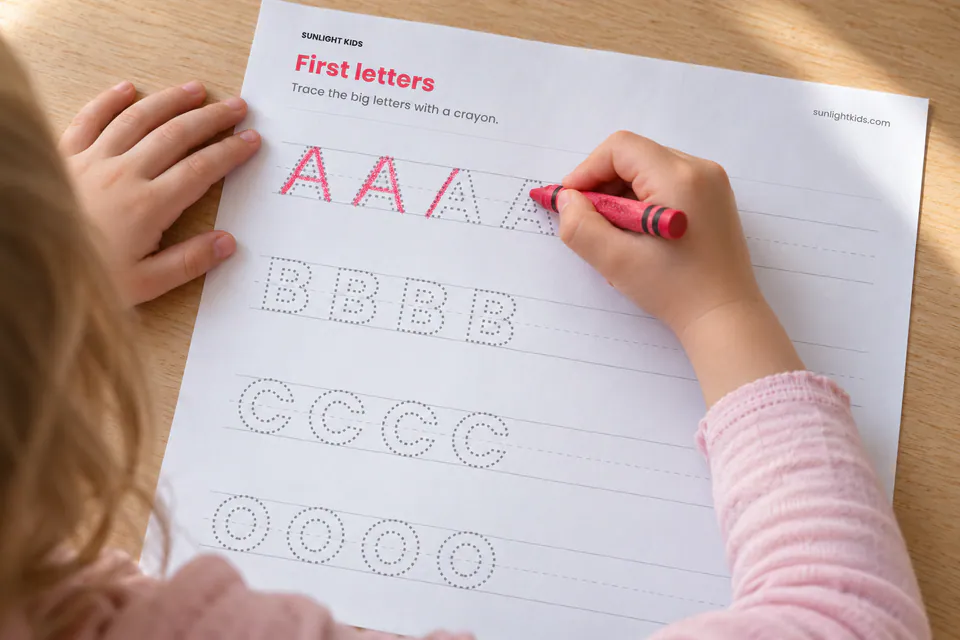
Name tracing & dot letters
Age 4- Needs:
- Printable + dot markers or crayons
- Keeps them busy:
- 15–20 min
- Builds:
- Pre-writing, letter recognition
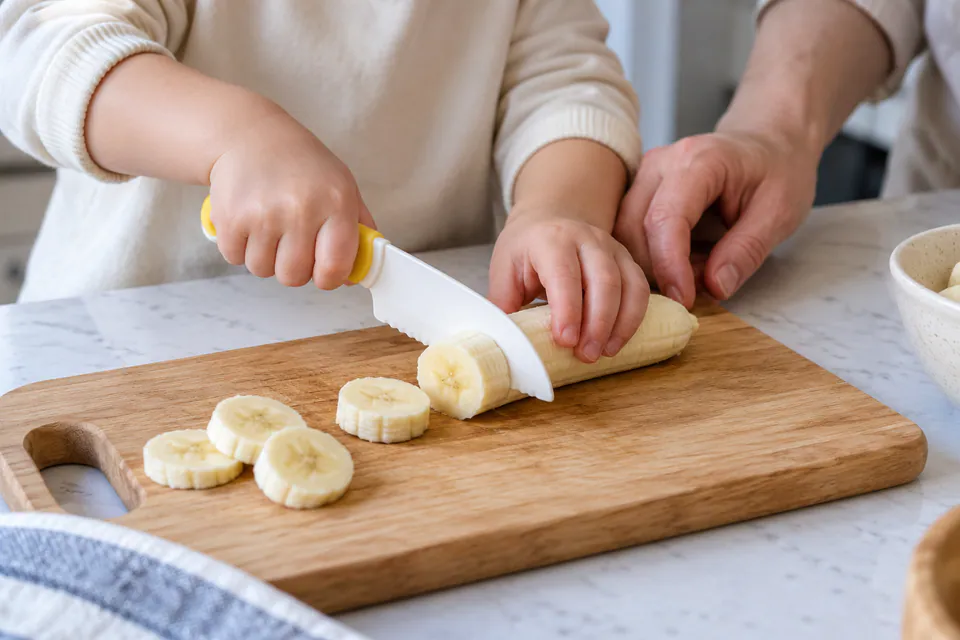
Kitchen helper: real recipe
Age 4- Needs:
- A simple no-bake recipe
- Keeps them busy:
- 30–45 min
- Builds:
- Following steps, measuring
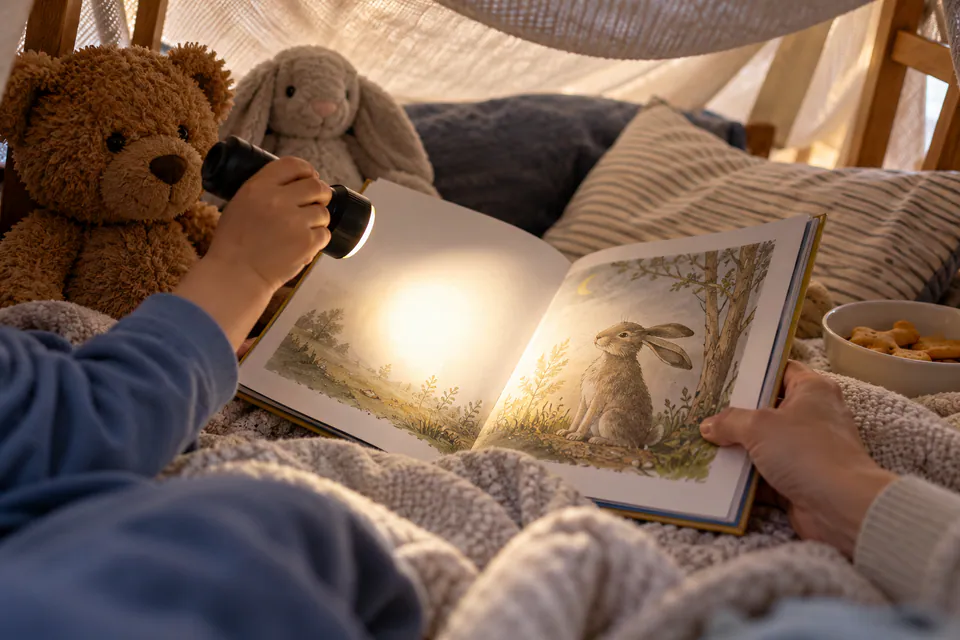
Build-a-fort + reading nook
Age 4- Needs:
- Blankets + chairs + books
- Keeps them busy:
- 45–60 min
- Builds:
- Planning, imaginative play
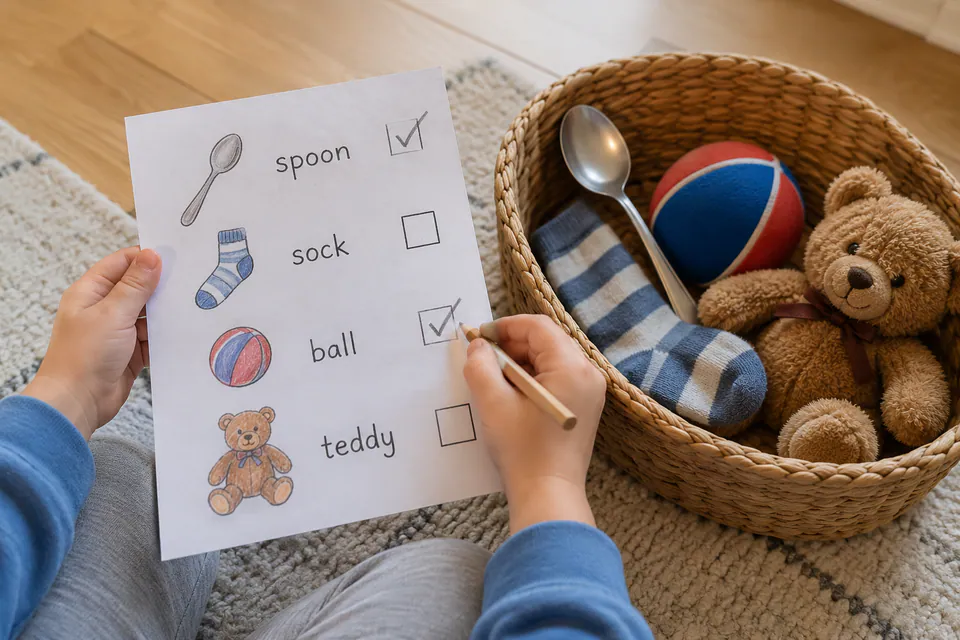
Scavenger hunt with a list
Age 4- Needs:
- A drawn picture list
- Keeps them busy:
- 20–30 min
- Builds:
- Matching, early literacy
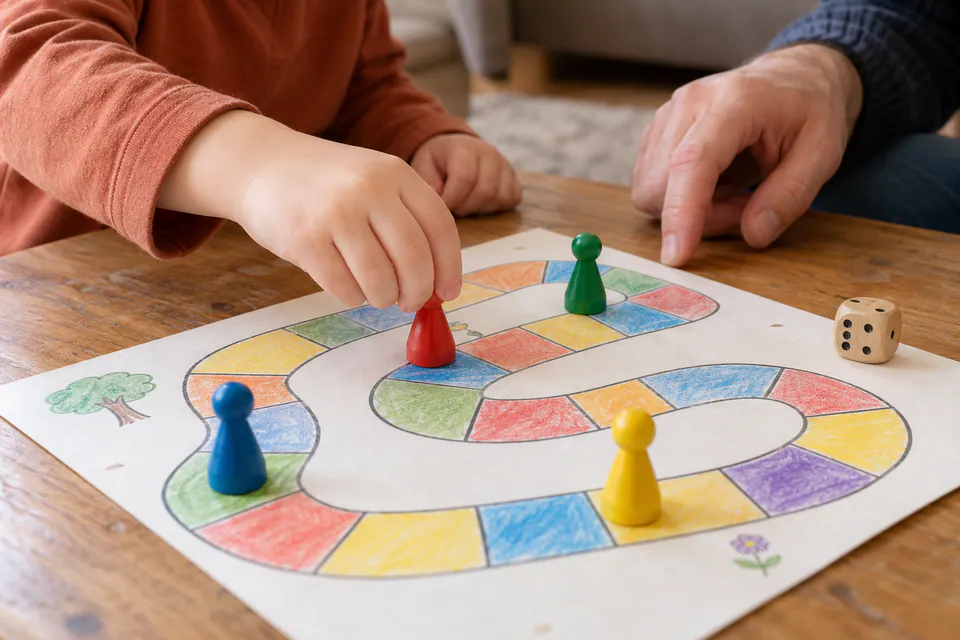
Simple board game
Age 4- Needs:
- A cooperative game for kids
- Keeps them busy:
- 20–30 min
- Builds:
- Turn-taking, counting
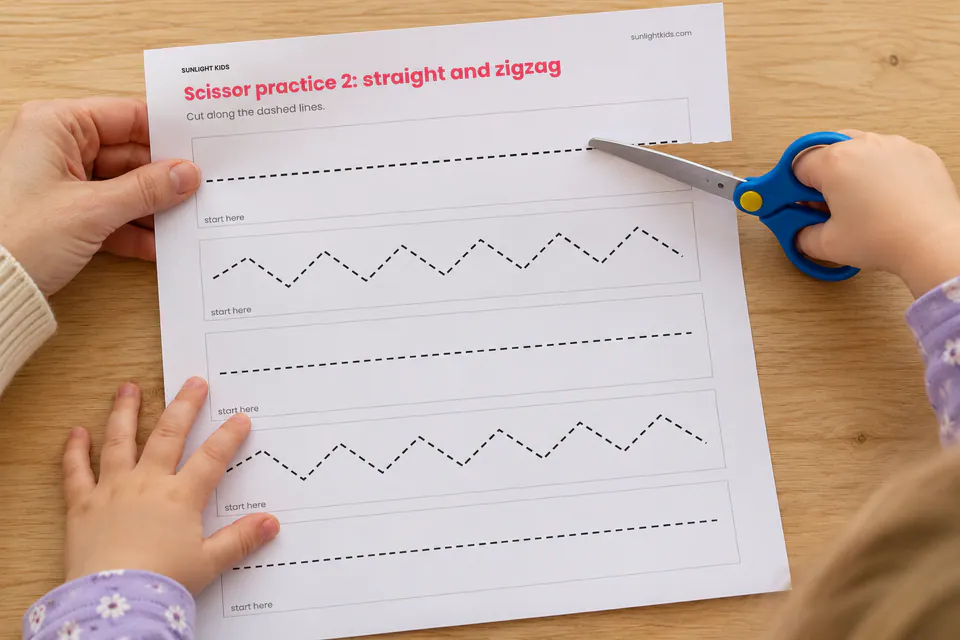
Cutting practice
Age 4- Needs:
- Safety scissors + lines to cut
- Keeps them busy:
- 15 min
- Builds:
- Scissor control
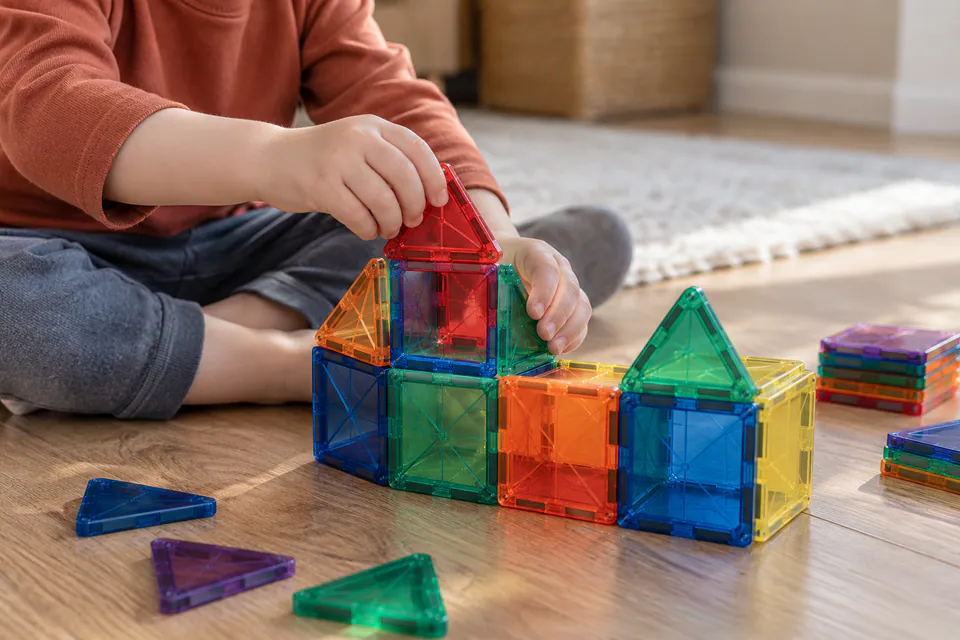
Magnet-tile building challenge
Age 4- Needs:
- Magnetic tiles
- Keeps them busy:
- 30–60 min
- Builds:
- Spatial reasoning, persistence
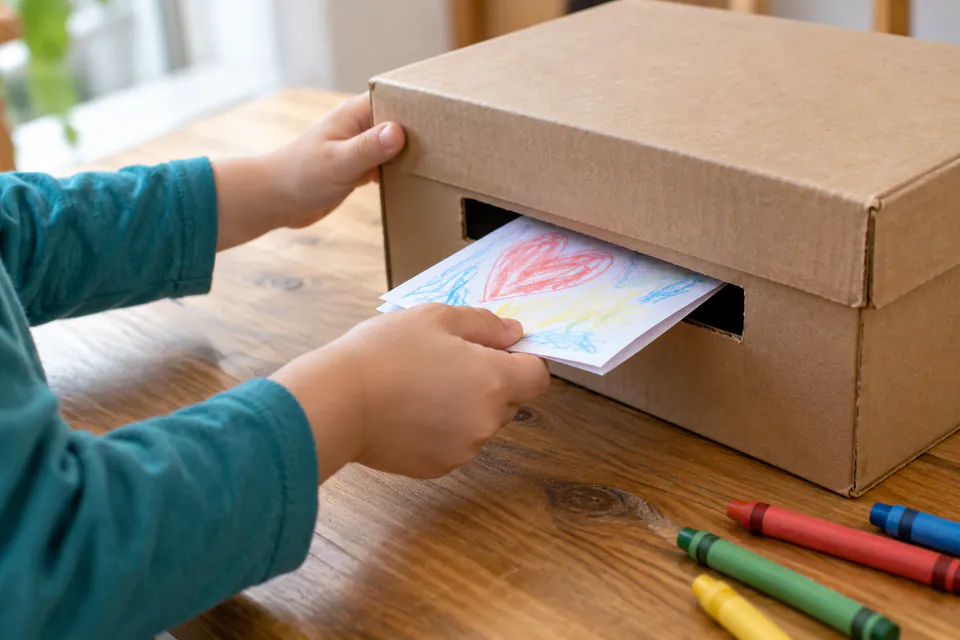
Mailbox & 'writing' letters
Age 4- Needs:
- Paper, crayons, a shoebox
- Keeps them busy:
- 20–30 min
- Builds:
- Early literacy, fine motor
Calm-down & independent-play ideas (buy yourself ten minutes)
When you need a beat — these run with minimal supervision once they're going.
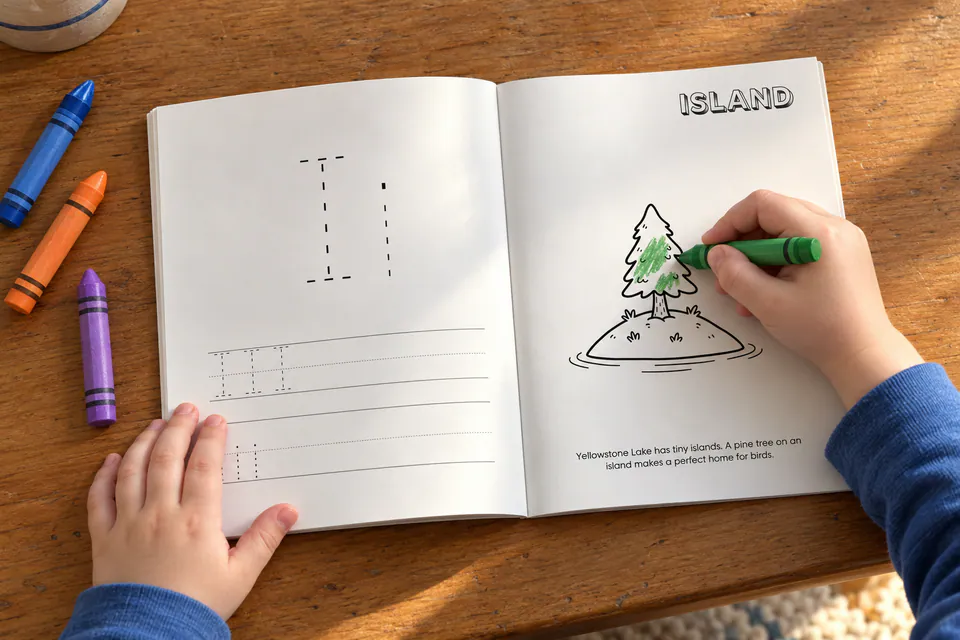
Activity / coloring book
Ages 2–4- Needs:
- An activity book + crayons
- Keeps them busy:
- 20–40 min
- Builds:
- Fine motor, focus
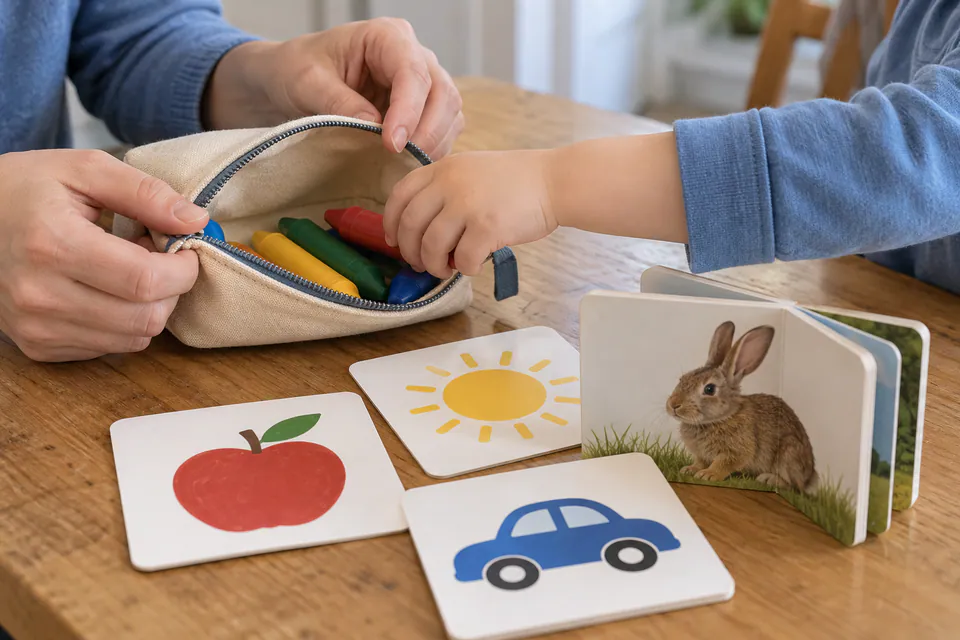
Busy bag of the day
Ages 2–4- Needs:
- A zip bag with one rotating activity
- Keeps them busy:
- 15–20 min
- Builds:
- Independent play
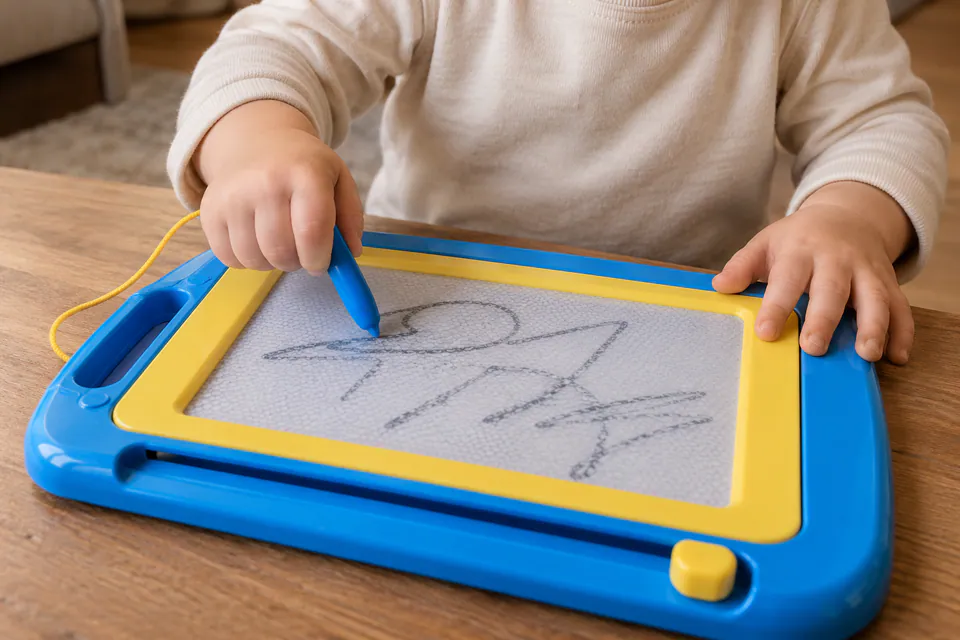
Magnetic drawing board
Ages 2–4- Needs:
- A doodle board
- Keeps them busy:
- 15–30 min
- Builds:
- Mark-making
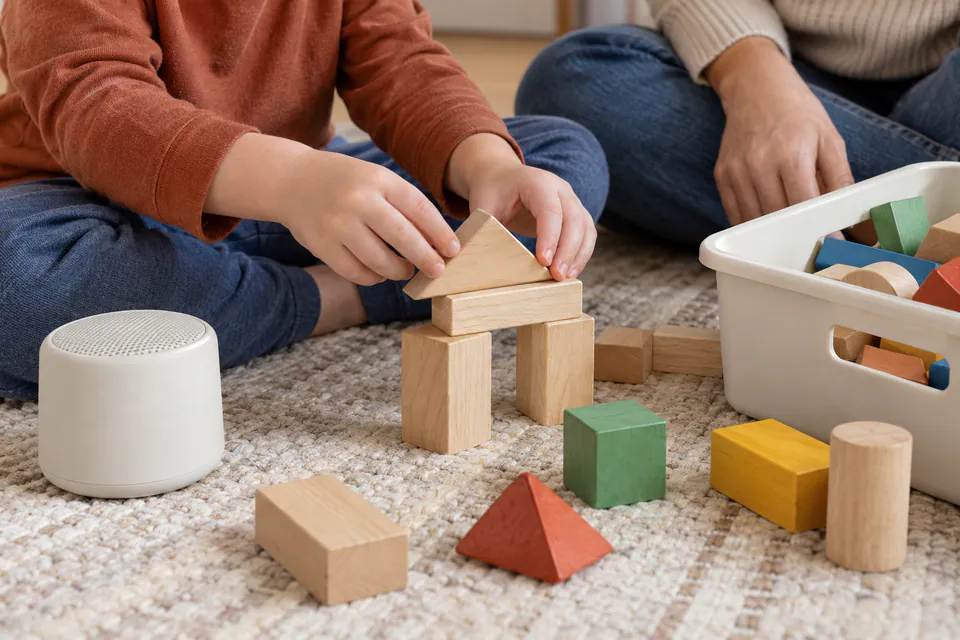
Audiobook + quiet bin
Ages 3–4- Needs:
- An audio player for kids + a bin of toys
- Keeps them busy:
- 20–30 min
- Builds:
- Listening, independent play
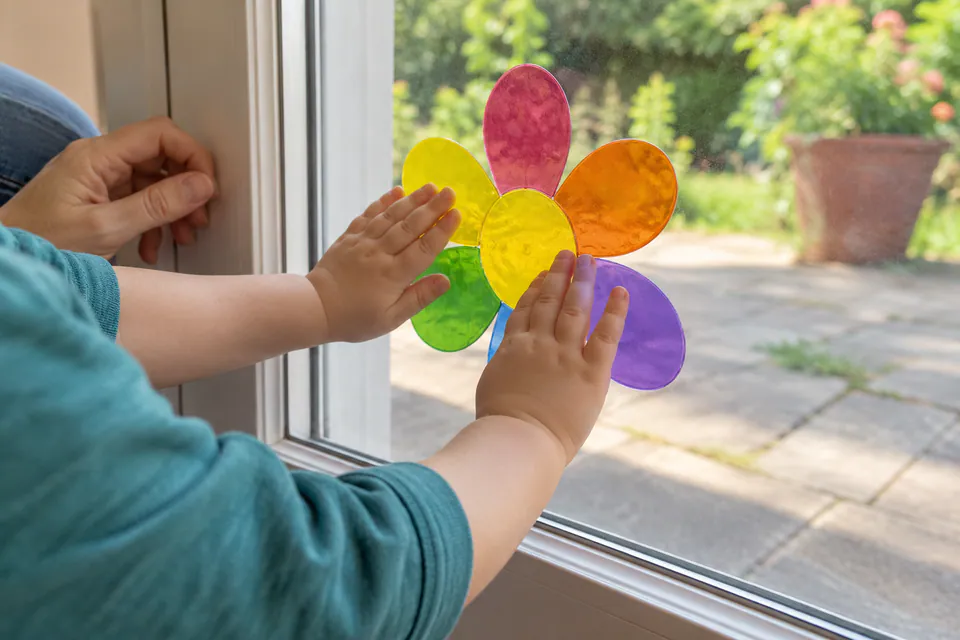
Window clings or stickers on the patio door
Ages 2–4- Needs:
- Reusable window clings
- Keeps them busy:
- 15 min
- Builds:
- Fine motor
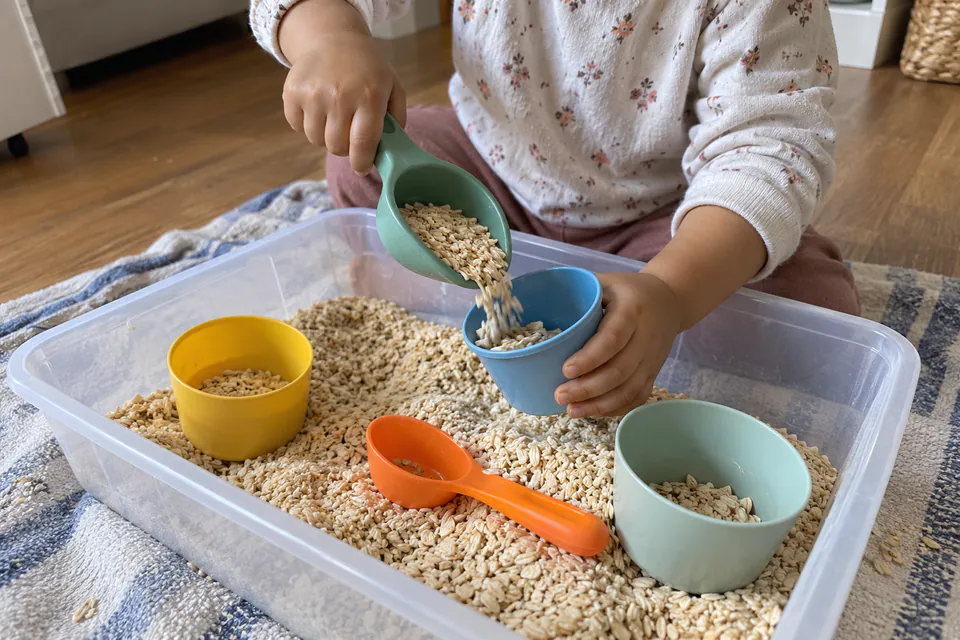
Sensory bin (dry)
Ages 3–4- Needs:
- Dry rice/beans + cups + scoops
- Keeps them busy:
- 20–30 min
- Builds:
- Sensory, fine motor
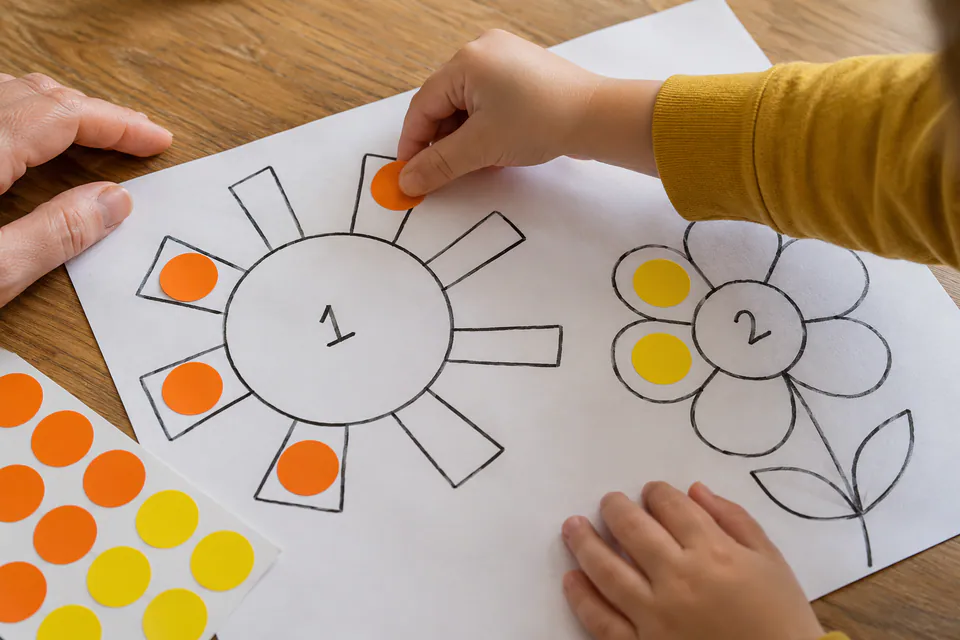
Sticker-by-number page
Age 4- Needs:
- Printable + stickers
- Keeps them busy:
- 20 min
- Builds:
- Numbers, precision
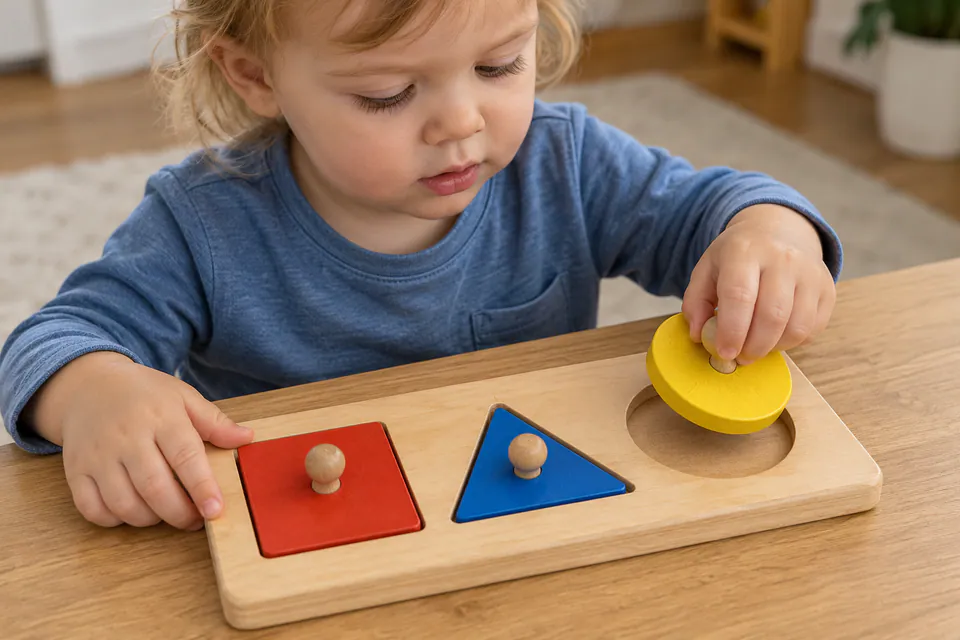
Simple puzzle
Ages 2–4- Needs:
- An age-right puzzle
- Keeps them busy:
- 10–20 min
- Builds:
- Problem-solving
Frequently asked questions
How do I entertain a 2-year-old all day?
You don't need to fill every minute — toddlers benefit from stretches of independent play. Rotate a few short activities (one active, one calm, one messy), build in outdoor time, and accept that repetition is normal and good. A predictable rhythm beats constant novelty.
How much independent play is normal for a toddler?
By age 2–3, many toddlers can play alone for 10–20 minutes at a time; by 4, often longer. It builds with practice. Start nearby, then gradually step back. Independent play is a skill you can grow, not a personality trait.
What does 'learning through play' actually mean?
It means the play IS the learning — pouring water teaches volume, stacking blocks teaches spatial reasoning, pretend café teaches language and social skills. You don't need flashcards; well-chosen play covers the same ground and sticks better at this age.
How much screen time is okay for toddlers?
The AAP suggests limiting screen use for children 2–5 to about an hour a day of high-quality programming, co-viewed when possible, and avoiding screens during meals and before bed. The activities here are designed to be the screen alternative.
My toddler won't play independently — what do I do?
Start with 'parallel play': sit near them with your own task while they play, and resist jumping in. Offer one open-ended material (blocks, dough, an activity book) rather than many. Praise the playing, not the product. Stretch the time gradually.
Do I need to buy special toys?
No. Most ideas here use household items. Open-ended materials — blocks, dough, cups, crayons, an activity book — out-perform single-purpose electronic toys for sustained play.
What are good rainy-day toddler activities?
Couch-cushion obstacle courses, painter's-tape roads, dry sensory bins, play-dough, and activity books all work indoors. See our full indoor-activities guide for 30 more.
Take the fun with you
Hawaii Activity Book for Kids — Coloring, tracing, counting, ABCs & first Hawaiian words — made for toddlers & preschoolers.
“Perfect to help the flight go smoother”Verified Amazon Purchase
In a rush? Download the PDF now and print it at home.