28 Preschool Learning Activities (Letters, Numbers & More)
Twenty-eight ways to build letters, numbers, and early literacy through play — because at this age, play is how learning actually sticks.
Preschoolers don't need worksheets and drills to get ready for kindergarten — they need playful, repeated exposure to letters, numbers, and language woven into things they already enjoy. The activities below build the real readiness skills (letter and number recognition, counting, rhyming, fine motor control for writing) and most use materials you already own.
They're grouped by skill: letters and early literacy, numbers and early math, and the fine-motor 'writing readiness' that ties it together.
Free printable
Free Preschool Learning Pack (printable PDF)
- Uppercase + lowercase alphabet tracing pages
- Number tracing & counting pages 1–20
- Shape and color recognition pages
- Play-dough letter mats and a name-building template
Learning play they can do on their own
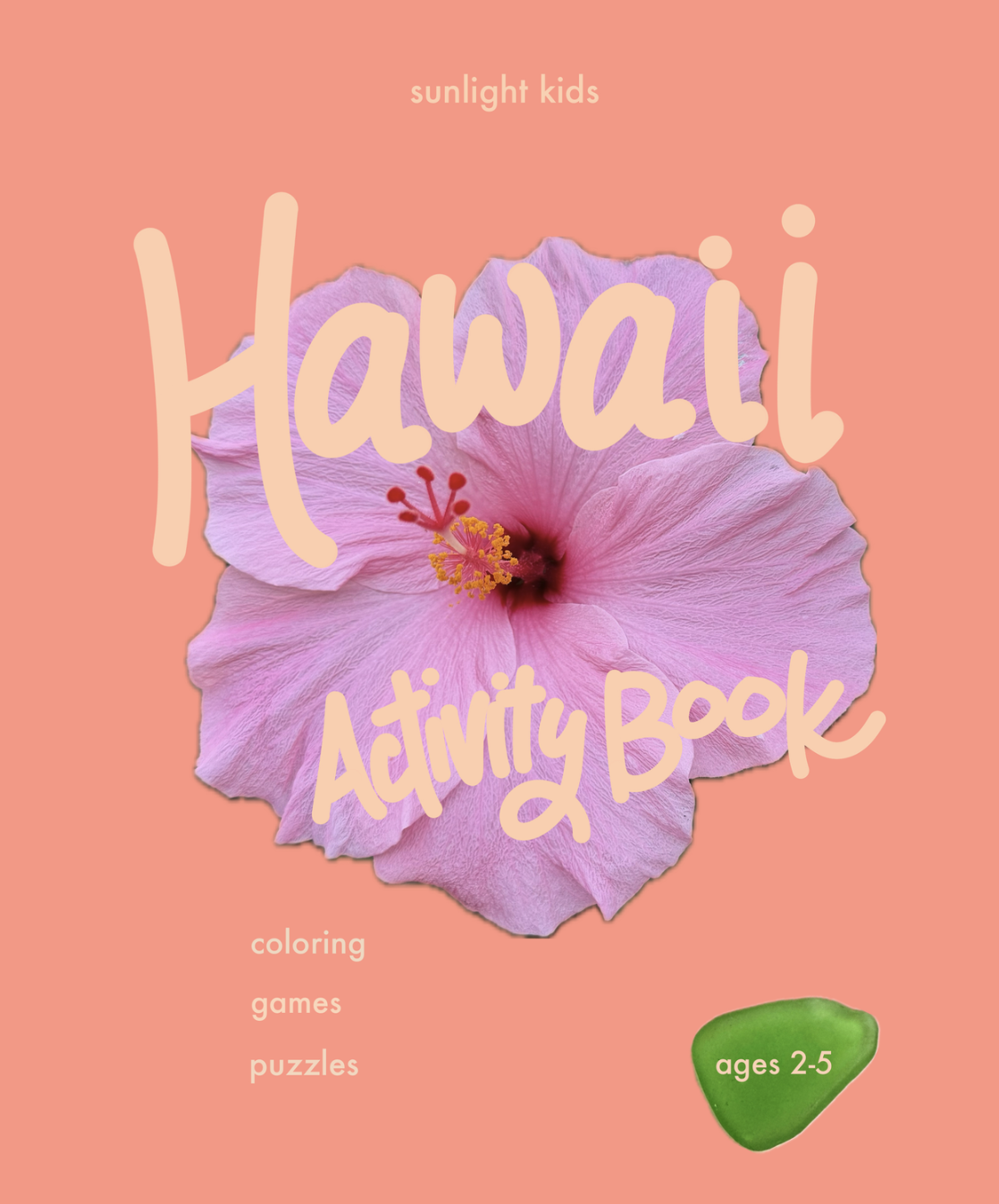
The Sunlight Kids Hawaii Activity Book (ages 2–5) folds letters, numbers, tracing, and coloring into one book — pre-K practice that feels like fun.
Letters & early literacy
Alphabet sensory hunt
Ages 3–5- Needs:
- Letter magnets in a rice bin
- Keeps them busy:
- 20 min
- Builds:
- Letter recognition
Name-building with stickers/dots
Ages 3–5- Needs:
- Printable name + dot markers
- Keeps them busy:
- 15 min
- Builds:
- Name recognition, fine motor
Letter of the week scavenger hunt
Ages 3–5- Needs:
- Nothing
- Keeps them busy:
- 15 min
- Builds:
- Letter-sound link
Rhyming basket
Ages 3–5- Needs:
- Household objects that rhyme
- Keeps them busy:
- 15 min
- Builds:
- Phonological awareness
Play-dough letter mats
Ages 3–5- Needs:
- Play-dough + printable letter mats
- Keeps them busy:
- 20–30 min
- Builds:
- Letter formation, hand strength
Story sequencing cards
Ages 4–5- Needs:
- Printed picture cards
- Keeps them busy:
- 15 min
- Builds:
- Narrative, sequencing
Sound sorting (beginning sounds)
Ages 4–5- Needs:
- Picture cards or objects
- Keeps them busy:
- 15 min
- Builds:
- Phonics readiness
Daily read-aloud + 'point to words'
Ages 3–5- Needs:
- Picture books
- Keeps them busy:
- 15–20 min
- Builds:
- Print awareness, vocabulary
Hawaii Activity Book for Kids
Coloring, tracing, counting, ABCs & first Hawaiian words — made for toddlers & preschoolers.
Numbers & early math
Counting bears / snack counting
Ages 3–5- Needs:
- Small countable objects
- Keeps them busy:
- 10–15 min
- Builds:
- 1:1 correspondence, counting
Number-line hopscotch
Ages 3–5- Needs:
- Tape on the floor
- Keeps them busy:
- 20 min
- Builds:
- Number order, gross motor
Sorting & patterning
Ages 3–5- Needs:
- Buttons, pom-poms, or pasta
- Keeps them busy:
- 15–20 min
- Builds:
- Patterns, classification
Shape hunt around the house
Ages 3–5- Needs:
- Nothing
- Keeps them busy:
- 15 min
- Builds:
- Shape recognition
Dot-marker number pages
Ages 3–5- Needs:
- Printable + dot markers
- Keeps them busy:
- 15–20 min
- Builds:
- Number recognition, fine motor
Measuring & pouring (cups)
Ages 3–5- Needs:
- Measuring cups + water/rice
- Keeps them busy:
- 20 min
- Builds:
- Volume, comparison
Dice roll & count
Ages 4–5- Needs:
- A die + counters
- Keeps them busy:
- 15 min
- Builds:
- Subitizing, counting
Writing-readiness (fine motor for letters)
Pre-writing control comes before handwriting. These build it without a single worksheet drill.
Tracing lines & shapes
Ages 4–5- Needs:
- Printable tracing sheets
- Keeps them busy:
- 15–20 min
- Builds:
- Pencil control
Cutting practice
Ages 4–5- Needs:
- Safety scissors + lines
- Keeps them busy:
- 15 min
- Builds:
- Bilateral coordination
Vertical drawing (easel/wall)
Ages 3–5- Needs:
- Paper taped to a wall + crayons
- Keeps them busy:
- 20 min
- Builds:
- Wrist extension, grip
Q-tip letter dotting
Ages 4–5- Needs:
- Q-tips + paint + letter outlines
- Keeps them busy:
- 20 min
- Builds:
- Precision, letter shapes
Clothespin & tongs games
Ages 3–5- Needs:
- Clothespins/tongs + pom-poms
- Keeps them busy:
- 15 min
- Builds:
- Tripod grasp, hand strength
Frequently asked questions
What should a preschooler learn before kindergarten?
The big ones: recognizing letters and many letter sounds, counting and recognizing numbers to about 10–20, knowing colors and shapes, writing their name, and social skills like sharing and following directions. Almost all of it develops through play and daily routines — not worksheets.
How do I teach the alphabet to a 3-year-old?
Start with the letters in their name, link letters to sounds and objects ('B is for ball'), and keep it multisensory — magnets, dough, sensory bins, and read-alouds beat flashcards at this age. Short and frequent wins.
Is my preschooler behind if they can't write letters yet?
Usually no. Writing readiness (a controlled grip, tracing lines) typically comes together between 4 and 6. Build the underlying fine-motor strength first; formal letter writing follows. If you're concerned, ask at a checkup.
How much 'learning' time does a preschooler need each day?
Short, playful bursts — 10–20 minutes at a time — woven through the day work far better than long sit-down lessons. Reading aloud daily is the single highest-impact thing you can do.
Are educational apps as good as hands-on activities?
For this age, hands-on play builds fine motor, language, and social skills that screens can't. The AAP recommends limiting screen time for 2–5s and prioritizing interactive, real-world play.
How do I make learning fun instead of a battle?
Follow the child's interests, keep it playful and low-pressure, and stop before they're done. Praise effort, not correctness. If it feels like a fight, it's too long or too hard — shorten it.
Take the fun with you
Hawaii Activity Book for Kids — Coloring, tracing, counting, ABCs & first Hawaiian words — made for toddlers & preschoolers.