25 Sensory Activities for Toddlers (Bins, Bottles & Play)
Twenty-five sensory bins, bottles, and messy-play ideas — most use pantry staples, and we flag which ones are taste-safe for the under-3 crowd.
Sensory play is how young children make sense of the world — scooping, pouring, squishing, and pinching all build fine motor skills, language, and focus while burning off the need to touch everything. The good news: you don't need a Pinterest-perfect rainbow bin. A tub of dry rice and a few cups does the job.
Below are 25 ideas grouped by mess level, with taste-safe options flagged for toddlers who still put things in their mouths. A reminder up top: always supervise sensory play, and skip small loose parts (dry beans, water beads) for kids who still mouth objects — choking and water-bead ingestion are real risks.
Free printable
Free Taste-Safe Sensory Play Pack (printable PDF)
- 10 taste-safe sensory recipe cards (edible sand, cloud dough, more)
- A sensory-bin filler + theme cheat sheet by age
- A safety one-pager: what's safe at what age
- Printable sensory-bin task cards (scoop, sort, pour)
When you need a no-mess sensory break
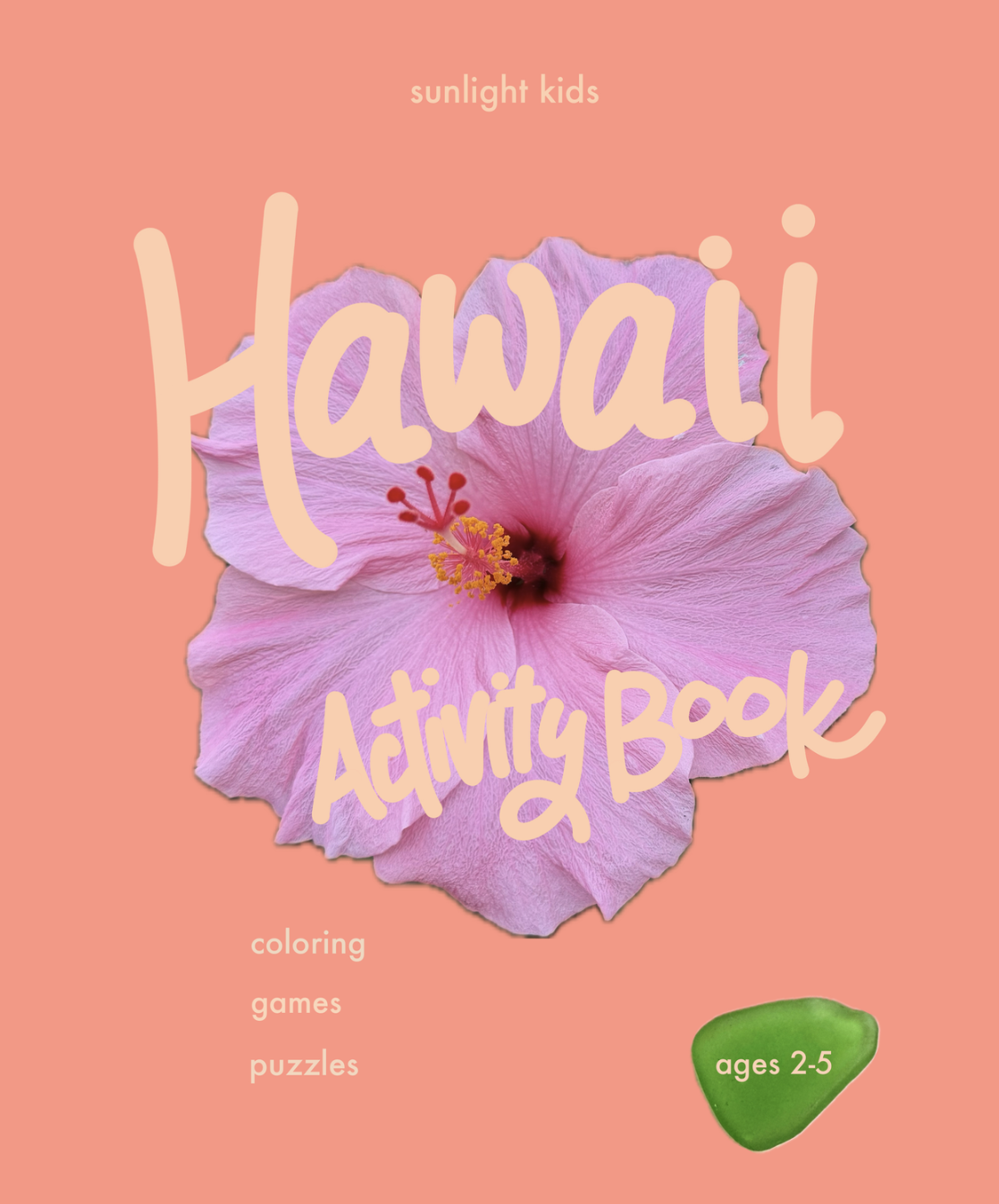
On a day you can't face the cleanup, a Sunlight Kids activity book (ages 2–5) delivers quiet, hands-on focus with zero rice on the floor.
“Perfect to help the flight go smoother”— Julia R. · Verified Amazon Purchase
In a rush? Download the PDF now and print it at home.
Low-mess & taste-safe (great for under 2)
Start here for the youngest toddlers or for a contained, easy-cleanup day.
Edible 'sand' (crushed cereal)
Ages 1–3- Needs:
- Crushed O-cereal or graham + scoops
- Keeps them busy:
- 20–30 min
- Builds:
- Scooping, taste-safe sensory
Cooked, cooled spaghetti bin
Ages 1–3- Needs:
- Plain cooked pasta + tongs
- Keeps them busy:
- 15–25 min
- Builds:
- Tactile, fine motor
Sensory bottles (calm-down)
Ages 1–4Glue the lid shut. Great for the car and for winding down.
- Needs:
- Bottle + water + glitter/oil/beads (sealed)
- Keeps them busy:
- 10–20 min
- Builds:
- Visual tracking, self-regulation
Yogurt or pudding 'finger paint'
Ages 1–3- Needs:
- Yogurt + food coloring
- Keeps them busy:
- 15 min
- Builds:
- Tactile, taste-safe art
Ice cube + warm water melt
Ages 1–3- Needs:
- Ice + a bowl of warm water
- Keeps them busy:
- 15 min
- Builds:
- Temperature, early science
Oats sensory bin
Ages 1–3- Needs:
- Dry oats + cups + spoons
- Keeps them busy:
- 20–30 min
- Builds:
- Scooping, pouring (taste-safe)
Hawaii Activity Book for Kids
Coloring, tracing, counting, ABCs & first Hawaiian words — made for toddlers & preschoolers.
“Perfect to help the flight go smoother”Verified Amazon Purchase
In a rush? Download the PDF now and print it at home.
Classic sensory bins (ages 2+, supervised)
For kids past the everything-in-the-mouth stage. Add a theme and a few tools.
Dry rice or bean bin
Ages 2–6- Needs:
- Rice/beans + scoops, funnels, cups
- Keeps them busy:
- 30–45 min
- Builds:
- Fine motor, pouring, focus
Water bead bin (3+ only)
Ages 3–6Strictly ages 3+ and supervised — water beads are a serious choking/ingestion hazard for younger kids.
- Needs:
- Water beads + scoops
- Keeps them busy:
- 30 min
- Builds:
- Pincer grasp, tactile
Dinosaur / animal dig
Ages 2–6- Needs:
- Kinetic sand or rice + small figures
- Keeps them busy:
- 30–45 min
- Builds:
- Imaginative play, fine motor
Pom-pom scoop & sort
Ages 2–5- Needs:
- Pom-poms + tongs + muffin tin
- Keeps them busy:
- 20–30 min
- Builds:
- Pincer/tong grasp, color sorting
Cloud dough (flour + oil)
Ages 3–6- Needs:
- Flour + a little oil
- Keeps them busy:
- 30 min
- Builds:
- Moldable tactile play
Color-themed bin
Ages 2–5- Needs:
- Dyed pasta/rice, one color
- Keeps them busy:
- 30 min
- Builds:
- Color recognition, sorting
Messy & water play (outside or on a mat)
Water 'wash station'
Ages 1–4- Needs:
- Bin of water + cups + toys to 'wash'
- Keeps them busy:
- 30–45 min
- Builds:
- Pouring, imaginative play
Shaving-cream window art (3+)
Ages 3–6- Needs:
- Shaving cream on a tray/window
- Keeps them busy:
- 20 min
- Builds:
- Tactile, mark-making
Mud kitchen
Ages 2–6- Needs:
- Dirt, water, old pots
- Keeps them busy:
- 45+ min
- Builds:
- Imaginative, sensory
Baking-soda + vinegar 'fizz'
Ages 2–6- Needs:
- Baking soda, vinegar, droppers
- Keeps them busy:
- 20–30 min
- Builds:
- Early science, fine motor
Sponge squeeze relay
Ages 2–5- Needs:
- Sponges + two buckets
- Keeps them busy:
- 15–20 min
- Builds:
- Hand strength, gross motor
Painting with water outside
Ages 1–4- Needs:
- Paintbrush + water
- Keeps them busy:
- 20 min
- Builds:
- Mark-making, no mess
Frequently asked questions
What is sensory play and why does it matter?
It's play that engages the senses — touch, sight, sound, movement. It builds fine motor skills, language, focus, and helps kids self-regulate. For toddlers it's also a safe outlet for the urge to touch and explore everything.
Is sensory play safe for a 1-year-old?
Yes, with the right materials and constant supervision. Stick to taste-safe fillers (cereal, oats, cooked pasta, yogurt) and avoid small loose parts (dry beans, water beads, small beads) until a child reliably stops mouthing objects — usually around age 3.
Are water beads safe?
Only for ages 3+ and under close supervision. They expand when swallowed and are a documented choking and intestinal-blockage hazard. Many families skip them entirely with younger siblings around.
How do I contain the mess?
Use a large under-bed bin or lay an old sheet or shower curtain underneath. Do messy play outside when you can, and make cleanup part of the activity — toddlers love a little dustpan.
My child hates getting messy. Is that a problem?
Some kids are sensitive to textures, which is normal. Offer tools (scoops, tongs) so they don't have to touch directly, and let them opt in at their own pace. Persistent, strong distress around textures or messiness is worth mentioning to your pediatrician.
How long should sensory play last?
As long as they're engaged — often 20–45 minutes, which is part of why parents love it. Rotate the filler or add new tools to extend interest.
Take the fun with you
Hawaii Activity Book for Kids — Coloring, tracing, counting, ABCs & first Hawaiian words — made for toddlers & preschoolers.
“Perfect to help the flight go smoother”Verified Amazon Purchase
In a rush? Download the PDF now and print it at home.